Out of gochujang halfway through dinner? You can still rescue the dish. The best gochujang substitute is a quick mix of miso and Korean chili powder, or a red pepper flake paste, adjusted to taste.
If you cook Korean food at home regularly, our korean food guide is a good place to keep browsing for the basics.
| Swap | Amount to use |
|---|---|
| Miso paste plus Korean chili powder | ½ tbsp miso + ½ tbsp chili powder per 1 tbsp gochujang |
| Red pepper flake paste | 1:1 (1 tbsp per 1 tbsp gochujang) |
| Ssamjang | 1 tbsp per 1 tbsp gochujang |
| Sriracha | 1 tbsp per 1 tbsp gochujang |
| Harissa paste | ¼ to ½ tbsp per 1 tbsp gochujang |
| Average heat of gochujang | Under 1,000 Scoville units |
The ratios come from Northern Nester’s substitute guide and the heat figure from The Daily Meal. Figures can change and cooks disagree on amounts, so check the sources before you rely on them.
What does gochujang do in a dish?
Gochujang is a thick, dark red Korean fermented chili paste. According to Northern Nester, it is traditionally made from these ingredients:
- Gochugaru (Korean red chili flakes or powder)
- Yeotgireum (barley malt powder)
- Meju (powdered fermented soybeans)
- Glutinous rice powder
- Salt
The Daily Meal describes the flavor as complex and funky, with sweetness, saltiness, spiciness and smokiness layered over a deep umami base (The Daily Meal). That is why no single swap is perfect.
Time is the other missing piece. PepperScale notes that authentic versions ferment for months, so a stand-in can only borrow part of the flavor.
Heat is easier to match than you might think. The average gochujang rates at less than 1,000 units on the Scoville scale, which is milder than a jalapeño, according to The Daily Meal. So you are replacing a gentle, sweet-savory heat rather than a fierce one.
Which gochujang substitute works best?
The options below run from the closest match to the quickest fix. In every case, add a little, taste, then add more.
- Miso plus chili powder. Both gochujang and miso use fermented soy, so miso carries some of the same savoriness (PepperScale). Northern Nester suggests half a tablespoon of miso and half a tablespoon of Korean chili powder for each tablespoon of gochujang. Use less salt elsewhere in the dish.
- Red pepper flake paste. Stir 2 teaspoons of soy sauce, one teaspoon of red pepper flakes and a pinch of sugar into a paste, then swap it in at a 1:1 ratio (Northern Nester). If it looks dry, add a dash more soy sauce.
- Ssamjang. This Korean dipping paste is made from gochujang, doenjang, green onion, sugar, garlic and sesame oil. Use a tablespoon for a tablespoon of gochujang, and add cayenne if you want more heat (Northern Nester).
- Sriracha. It gives a sweet, spicy taste but is thinner than gochujang, so the dish may need thickening. Northern Nester uses a one-to-one swap, while Kitchen Substitute advises starting with half as much and adding more as needed.
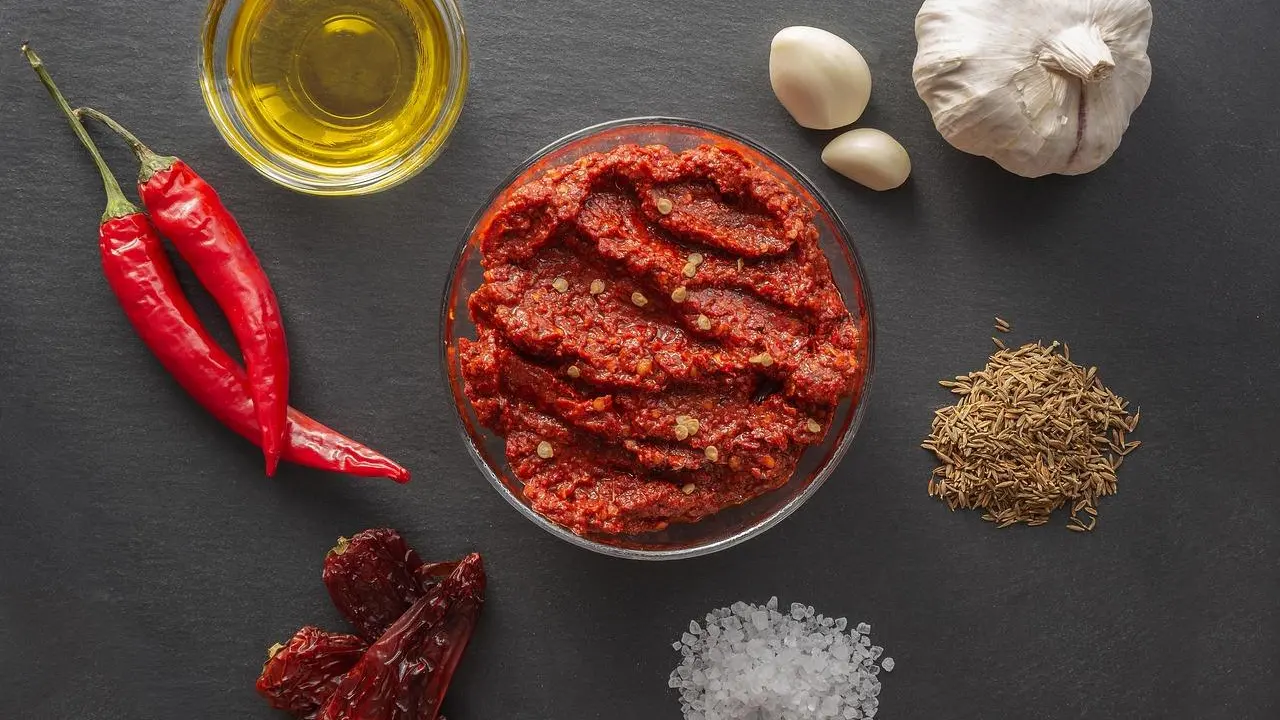
- Harissa paste. It is quite spicy compared with gochujang, so begin with a quarter to half a tablespoon per tablespoon (Northern Nester).
- Sambal oelek. This replacement is spicier, so use about half as much, and consider adding a sweetener because it lacks sweetness (Kitchen Substitute).
If you only have cayenne and paprika, PepperScale suggests mixing them in equal proportions when you have no Korean chili powder. That blend works well inside the miso mix above.
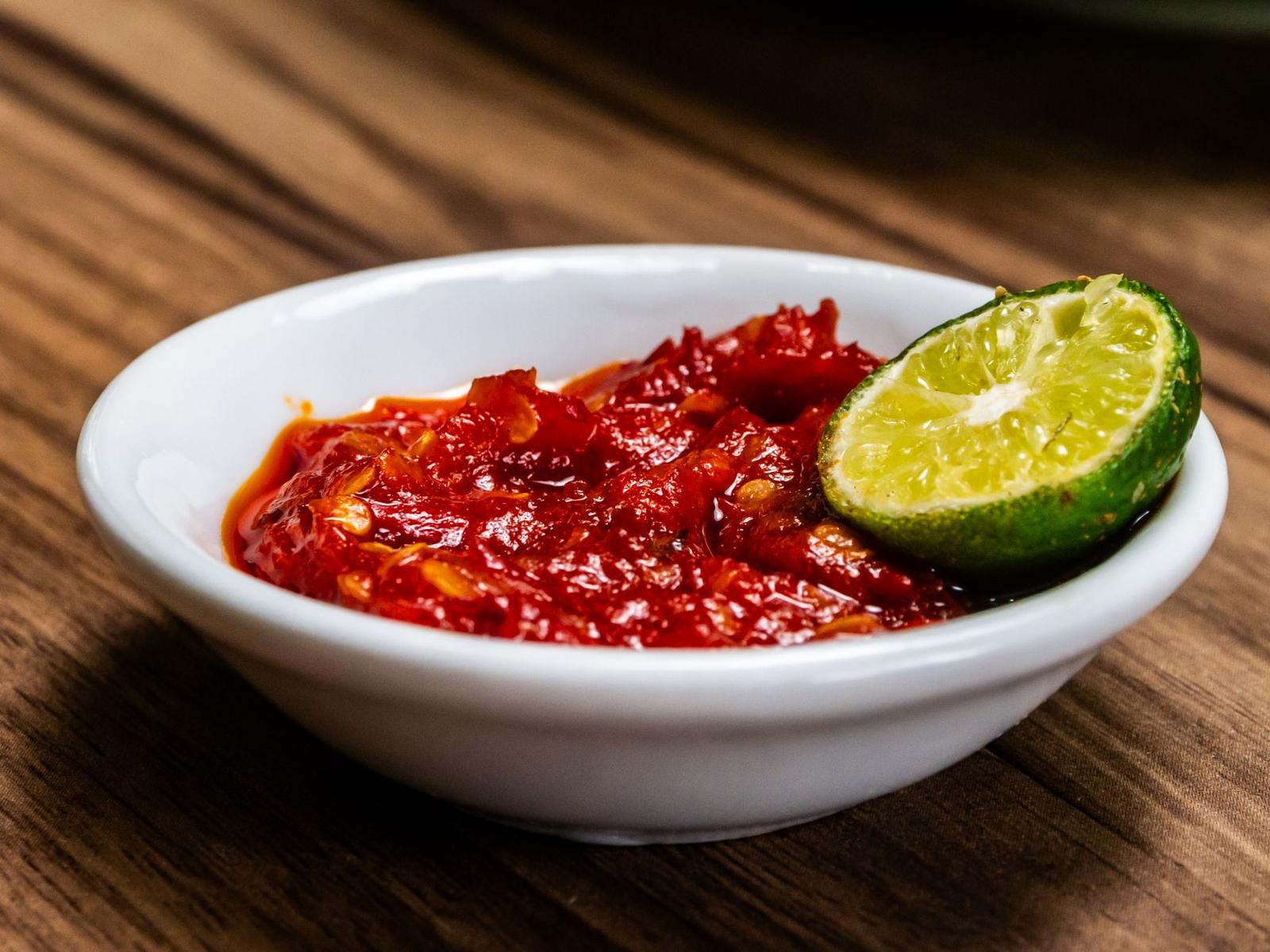
How do you make a quick homemade stand-in?
A short homemade paste gets closer to the real thing than most single-ingredient swaps. The Veggiekins recipe needs only a bowl and a whisk, and it is built around doenjang, the fermented soybean paste.
- 1 cup filtered water
- 1/2 cup gochugaru (Korean pepper powder)
- 1/3 cup doenjang paste
- 1/4 cup maple syrup or date syrup
- 2 tbsp rice wine (sake also works)
- 2 tsp garlic powder
- 1 tbsp rice flour for thickening
Whisk everything until smooth. Add more water or rice flour until the texture sits between a sauce and a paste, as the recipe puts it. It keeps in an airtight container in the refrigerator for up to 2 weeks (Veggiekins).
If you would rather use miso, PepperScale calls a miso-based homemade version your best bet for flavor. Our korean pantry essentials list is worth a look if you want to avoid this scramble next time.
Which swap suits which dish?
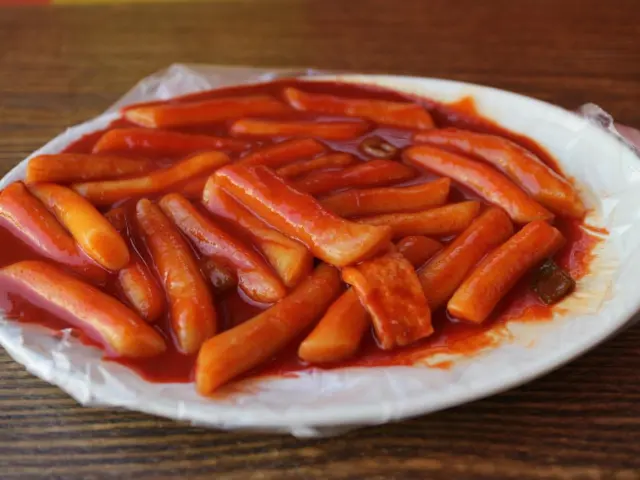
Match the stand-in to the job the paste is doing. Northern Nester lists stews, meat marinades, Korean BBQ, dubu jorim, tteokbokki, bibimbap and naengmyeon as typical uses.
- Stews and marinades: the miso mix or the homemade paste, because both are thick and savory.
- Dips and wraps: ssamjang, which suits people who do not like food too spicy.
- Heat only, not an authentic Korean recipe: sriracha is viable if you just want a sweeter-edged heat source (PepperScale).
- A thicker base: Thai chili paste gets closer in texture than sriracha, but it typically has a strong garlic flavor (PepperScale).
If tteokbokki is the dish you are rescuing, our korean street food guide puts it in context with other snack-stall favorites.
Swaps to use with care
Some stand-ins only deliver heat. Veggiekins says that sriracha, Thai chili paste, harissa and cayenne pepper do not compare to the depth of flavor in gochujang.
Gochugaru is a tempting swap, but it is a powder rather than a fermented sauce. The Daily Meal says the two are quite distinct and not interchangeable in recipes. Use it as the heat in a miso mix rather than on its own.
Plain cayenne is the simplest heat-only option. Kitchen Substitute says you can add the pepper alone for heat, but a paste of red pepper flakes and soy sauce gives a more gochujang-like consistency. Taste as you go and adjust the sweetness and salt before serving.
Tomato paste is the last resort. PepperScale says it is not recommended ever, though doable if you are flat out in a bind. Kitchen Substitute adds that it is better than nothing and suggests cayenne, a little soy sauce and a dash or two of sugar to improve it.
Watch for wheat as well. Northern Nester warns that most gochujang sold in local grocers is not gluten-free, so a homemade paste with a gluten-free doenjang is one way around that.
One last tip for the miso mix: Northern Nester says very thick miso can be diluted slightly with a little water, adding a teaspoon at a time. Miso is already salty, so go easy on the salt in the rest of the dish.
Frequently asked questions
Is sriracha the same as gochujang?
Show answer
No. Northern Nester says sriracha is not the same, though it is a great match for the umami taste. It is thinner and leans on garlic, so expect a different result.
Can I use gochugaru instead of gochujang?
Show answer
Only for heat. The Daily Meal says gochugaru is not fermented and is not interchangeable with gochujang. Pair it with miso for a closer result.
How long does a homemade stand-in keep?
Show answer
The Veggiekins version keeps in the refrigerator for up to 2 weeks in an airtight container, according to Veggiekins. Other recipes may keep for different lengths, so follow the one you use.
Is store-bought gochujang gluten-free?
Show answer
Often not. Northern Nester says most types sold in local grocers are not gluten-free, so read the label.