
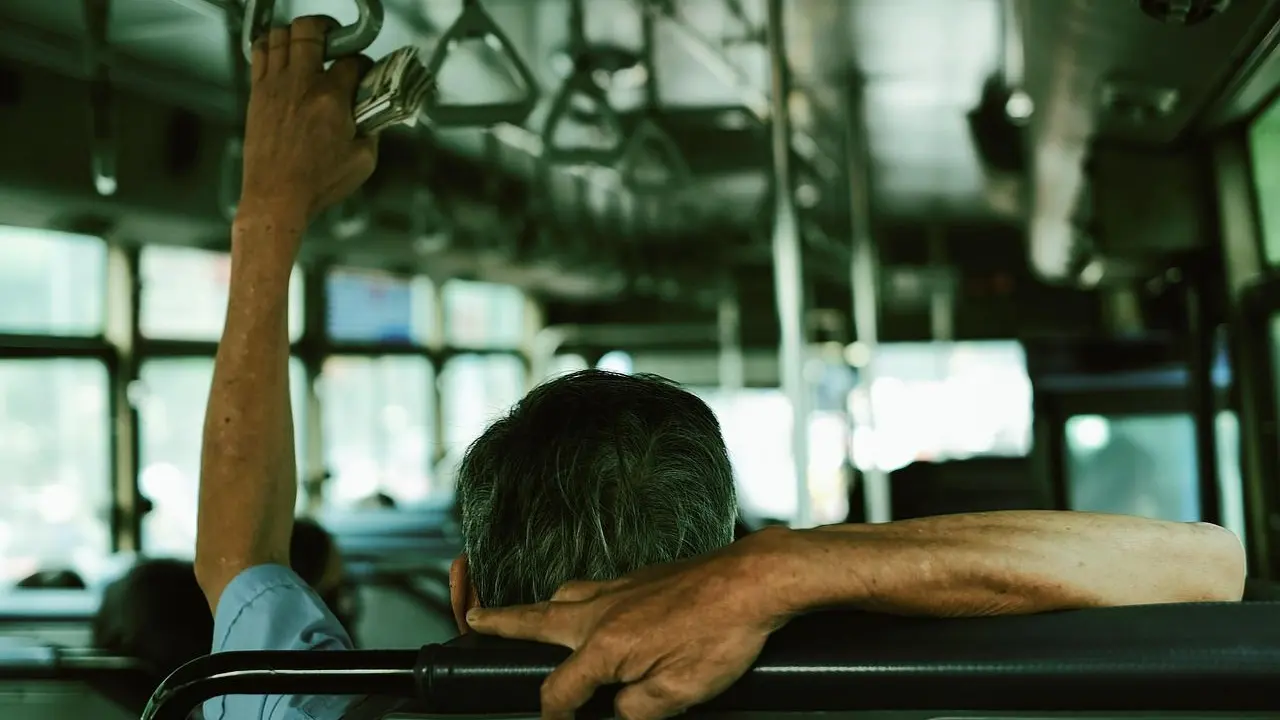
Wondering how to use T-money card on your Korea trip? Buy one at a convenience store, load it with Korean won cash, and tap in and out on every bus and subway ride.
This page is one part of the south korea travel guide, which collects planning help for the whole trip.
| Item | Value |
|---|---|
| TMONEY TRAVEL CARD price | ₩4,000 |
| Top-up unit | ₩1,000 |
| Maximum stored balance | ₩500,000 |
| Typical transfer time limit | 30 minutes |
| Refund service fee | ₩500 |
These figures come from K-pocket’s April 2026 guide. Prices and rules can change, so check the source before you rely on them.
What a T-money card is and where to buy it
A T-money card is a rechargeable transport card for subways and buses. According to K-pocket’s April 2026 guide, it is also accepted by many taxis and selected convenience stores. You tap it instead of buying a ticket for every ride.
The easiest place to buy one is a convenience store. K-pocket says official T-money guidance lists chains such as GS25, CU, 7-Eleven, Story Way and emart24 among the common places connected to sales or top-up.
Visitors also have a tourist-focused option, the TMONEY TRAVEL CARD. The same K-pocket guide gives its price as ₩4,000 and says it is sold at convenience stores and bus ticket offices at Incheon Airport.
A few things to know before you pick a card:
- Standard cards vary in price by design, as K-pocket notes.
- Character-themed designs can come with a small additional fee, according to Trazy’s guide.
- Cards are sold without credit, so you need to top one up before the first ride, says inKorea.
How to recharge a T-money card
Recharging is usually done with cash in Korean won. K-pocket says top-ups come in units of ₩1,000, with a range of ₩1,000 to ₩90,000 per top-up. The balance on the card cannot exceed ₩500,000.
At a subway station machine, the steps are short. Trazy’s guide describes them like this:
- Choose your language on the screen: Korean, English, Japanese or Chinese.
- Place your card on the loading pad and select the amount you want to add.
- Insert a coin or cash and wait briefly while the card reloads.
- Check the balance shown on the screen.
You can also top up at newsstands that display the T-money sign, and Trazy calls almost any convenience store the easiest way to recharge. Hand your card to the cashier, say how much you want, and pay.
Payment methods are slowly changing. inKorea’s guide, updated September 2026, says Korea began upgrading its recharge kiosks in 2026, so some major stations now accept a credit card. The same guide says convenience store top-ups were still cash only at that update.
A phone is another route. As of July 2025, per Trazy, T-money is available on both Android and iPhone through the T-money GO app, which can be topped up with a Visa or MasterCard credit card.
Tapping in and out on buses, subways and taxis
The one habit that matters is tapping out. K-pocket says to tap on the subway when you enter and again when you exit. On buses, tap when boarding and again when getting off, especially if you want the correct transfer discount.
- Subway: hold the card on the sensor until it beeps. The display shows the amount charged and your remaining balance, per Trazy.
- Bus: tap at the sensor when you board, and again when you get off so the distance fare and transfer are recorded.
- Beep check: listen for the beep on exit. Trazy warns that you are charged extra for the distance traveled if the second tap does not register.
Taxis need a little more care. Trazy notes that not all taxis accept T-money, so look for the logo and tell the driver you want to pay with the card. Make sure the balance covers the full fare before you ride.
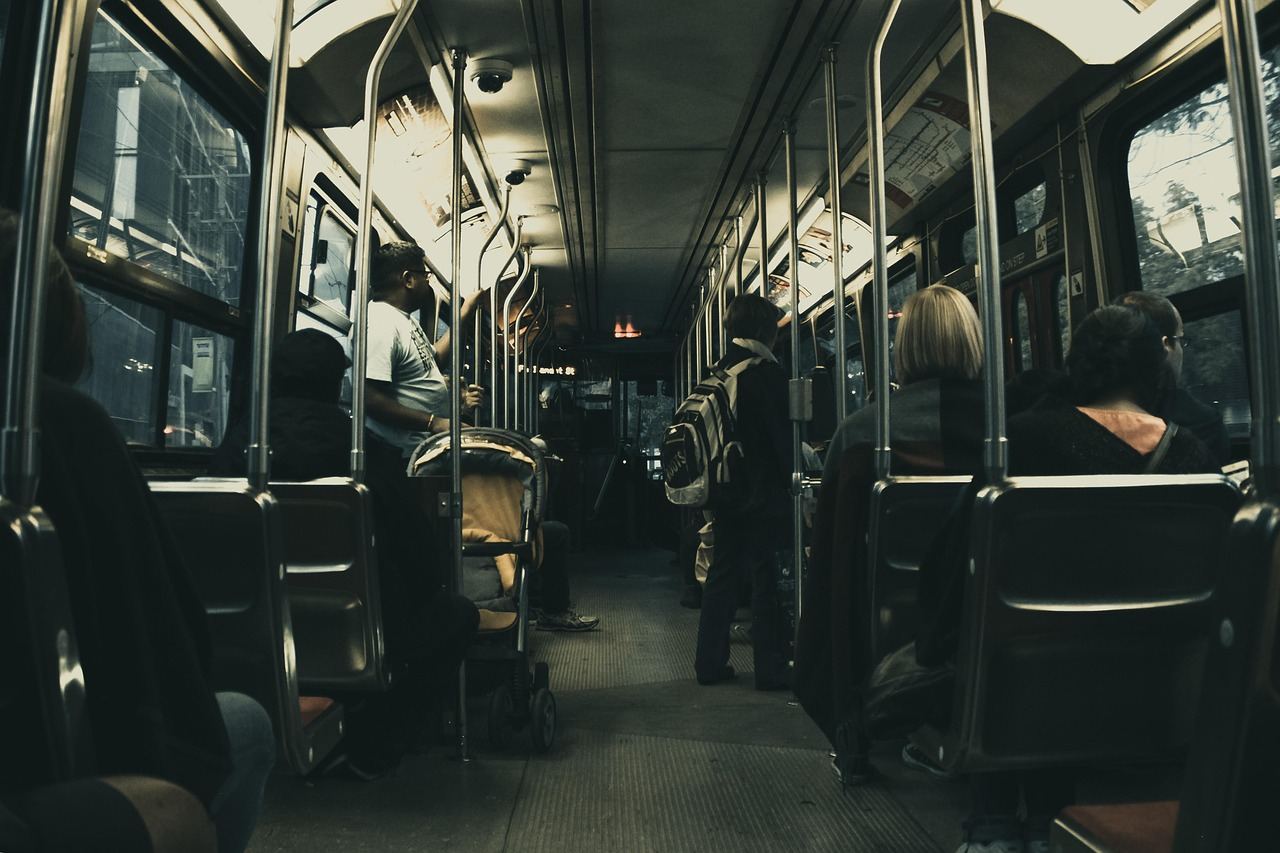
How transfer discounts work
Transfers are the main reason to carry a card instead of paying cash. K-pocket says discounts apply when you move between subway and bus, or between eligible buses, within the transfer time limit.
- Typical limit: 30 minutes between rides.
- Late-night window: up to 1 hour from 9 PM to 7 AM the next day.
- Transfers per journey: up to 4.
- Daily limit: none, as long as you start a new journey.
Sources do not describe the cap identically. Trazy’s guide says discounts are limited to four times a day, while K-pocket words it per journey. Treat the exact count as something to confirm at a station.
There is also a catch. Per Trazy, boarding a bus with the same number, or re-entering the same subway station after exiting, does not earn the discount even inside 30 minutes.
Getting your leftover balance back
If money is left at the end of your trip, a refund is possible. K-pocket says it is paid in Korean won cash, the card cost itself is not refunded, and a ₩500 service fee applies.
Where you can refund depends on the balance. K-pocket cites the 2026 Seoul guidebook for these locations:
- ₩30,000 or less: CU and emart24.
- ₩20,000 or less: 7-ELEVEN, individual convenience stores and some street charging stations.
- Less than ₩20,000: GS25.
- ₩50,000 or less: information centers in subway stations.
- Higher balances: bank ATMs, Tmoney Town in front of Seoul Station, and the mobile app.
Partial refunds are narrower. Trazy says they are available only between KRW 10,000 and KRW 50,000, in units of KRW 10,000, and for plate-style cards only.
Is a T-money card or a Climate Card better for you?
For most visitors, T-money is the simple pay-as-you-go choice. K-pocket says the Climate Card Tourist Pass can be better value if you ride public transport many times a day in Seoul and the eligible surrounding areas.
As of K-pocket’s April 2026 guide, Seoul offers short-term tourist passes at these prices:
- 1-day pass: ₩5,000
- 2-day pass: ₩8,000
- 3-day pass: ₩10,000
- 5-day pass: ₩15,000
- 7-day pass: ₩20,000
The physical Climate Card is ₩3,000 separately, per K-pocket. It does not cover airport buses, intercity buses, non-Seoul-licensed buses or the Sinbundang Line, so check your route first.
A WOWPASS adds a payment function on top. inKorea lists it at 5,000 KRW and says its built-in T-money function must be topped up in cash with Korean won.
Plans beyond Seoul may call for a different card. Ziptoss lists M-PASS as a special transportation card for foreign tourists on Jeju Island, so the jeju island travel guide is a good next read for island plans. For longer hops between cities, the ktx train guide is the place to start.
Frequently asked questions
Do I really need to tap out?
Show answer
Yes. K-pocket says tapping out helps calculate the correct fare and keeps your transfer discount valid.
Can I top up with a credit card?
Show answer
Mostly cash, though this is changing. Some major station kiosks accept credit cards from 2026 per inKorea, and the T-money GO app takes Visa or MasterCard as of July 2025 per Trazy.
How much can I load on the card?
Show answer
Each top-up can be ₩1,000 to ₩90,000, and the total balance cannot exceed ₩500,000, according to K-pocket.
Do I get my money back if I do not use it all?
Show answer
Yes, in Korean won cash. The card cost is not refunded and a ₩500 service fee applies, per K-pocket.
Can I use T-money in shops as well as on transport?
Show answer
Yes, at selected convenience stores and other T-money payment locations, says K-pocket. Look for the T-money logo at the counter.