Not sure where to start with Jeju? This jeju island travel guide gives you the short answer: fly from Seoul in just over an hour, then use buses or day tours if you skip the rental car.
Jeju is one stop in our wider south korea travel guide, so use this page to plan how the island fits into a longer trip.
| Item | Value |
|---|---|
| Visitors per year | 15 million |
| Permanent residents | 600,000 |
| Seoul to Jeju flight time | Just over 1 hour |
| Height of Mount Hallasan | 1,950m above sea level |
| Hiking trails on Hallasan | Four |
| Hostel price, from | 16,000 won ($13) |
These figures come from a Jeju travel blog and an Adventure Korea post. Prices, routes and timetables can change, so check the source before you rely on them.
Why Jeju earns a place on your Korea route
Jeju is often described as the Hawaii of Korea, according to the Where Goes Rose blog. The same blog says the island receives 15 million visitors a year despite having only 600,000 permanent residents.
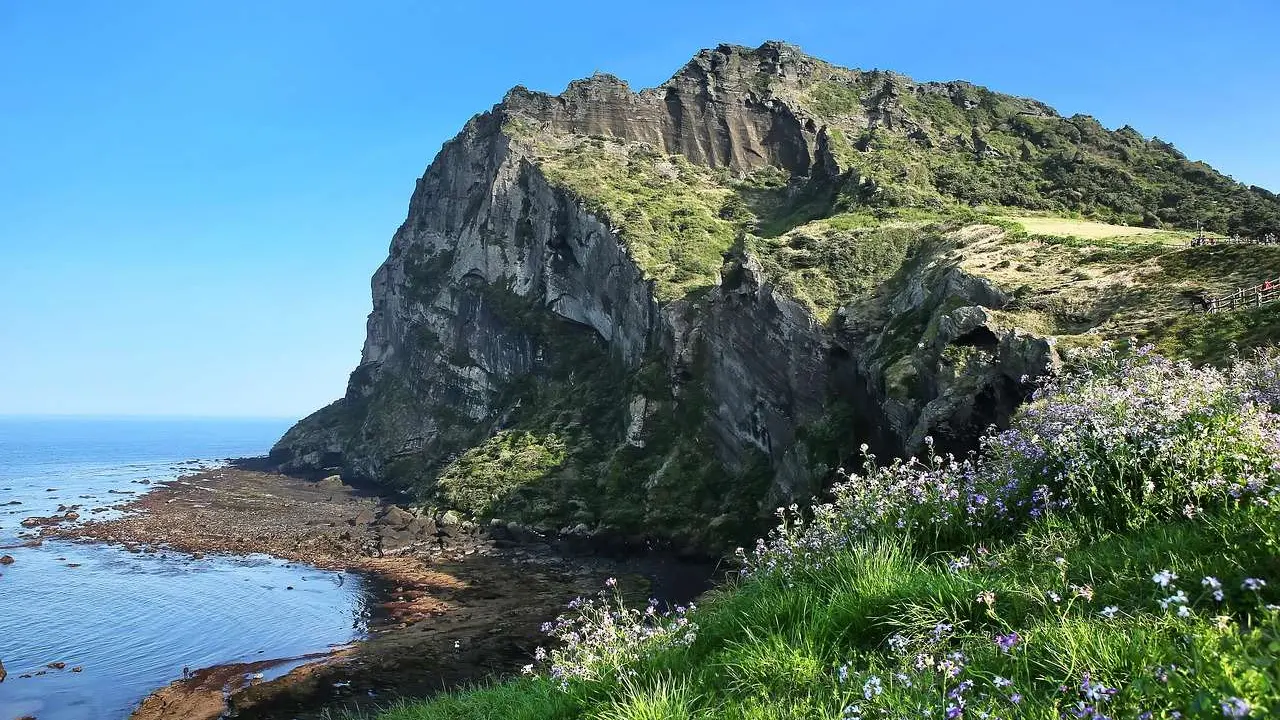
The scenery is volcanic, and it shapes almost everything you will see. An Adventure Korea post says Mount Hallasan sits at the centre of the island and stands 1,950m above sea level. It also says the mountain is said to have erupted around 25,000 years ago, with more than 360 volcanic cones around it.
Many travellers with limited time fly from Seoul to Jeju and then on to Busan, as the same blog notes. If that is your plan, our busan travel guide covers the next stop.
Because the island is large, it works best when you pick a few areas rather than trying to see everything. Think in terms of a coast or a theme per day: nature and hiking, tea and food, or folk culture and markets.
How do you get to Jeju?
The cheapest and quickest way to reach the island is by air. The blog says a lengthy ferry also runs from Busan, and that you can fly direct from other countries in Asia.
Flights from Seoul leave from Gimpo International Airport and take just over 1 hour. The blog calls the Seoul to Jeju route the most popular in the world, with flights taking off every 15 minutes.
A few practical points from the same source:
- Through July and August, flights get booked up in advance, so book ahead of time if you can.
- On an internal flight, the blogger reported no customs and a quick, efficient process.
- Low-cost carriers serve the route, so compare a few options before you pay.
Treat the flight as the easy part of the trip. The harder planning question comes once you land, and that is how you will move around the island.
Getting around Jeju without a car
The blog describes Jeju as difficult to get around without a car. Many visitors hire one for their whole stay, but you will need an international driving license to do it.
If you would rather not drive, a bus service runs around the island. It is not the most frequent or convenient, so how well it works depends on how much you want to see. If you only want a few select sights, the blog calls the bus the most cost-effective option.
For a bigger list of sights, the blogger suggests a day tour. Three popular tours are described:
- West Coast tour: runs on Monday, Wednesday and Friday, and covers Cheonjeyeon waterfall, Hyupjae beach and tea plantations.
- East Coast tour: runs on Tuesday, Thursday and Saturday, and covers Manjang Cave and the haenyeo female divers.
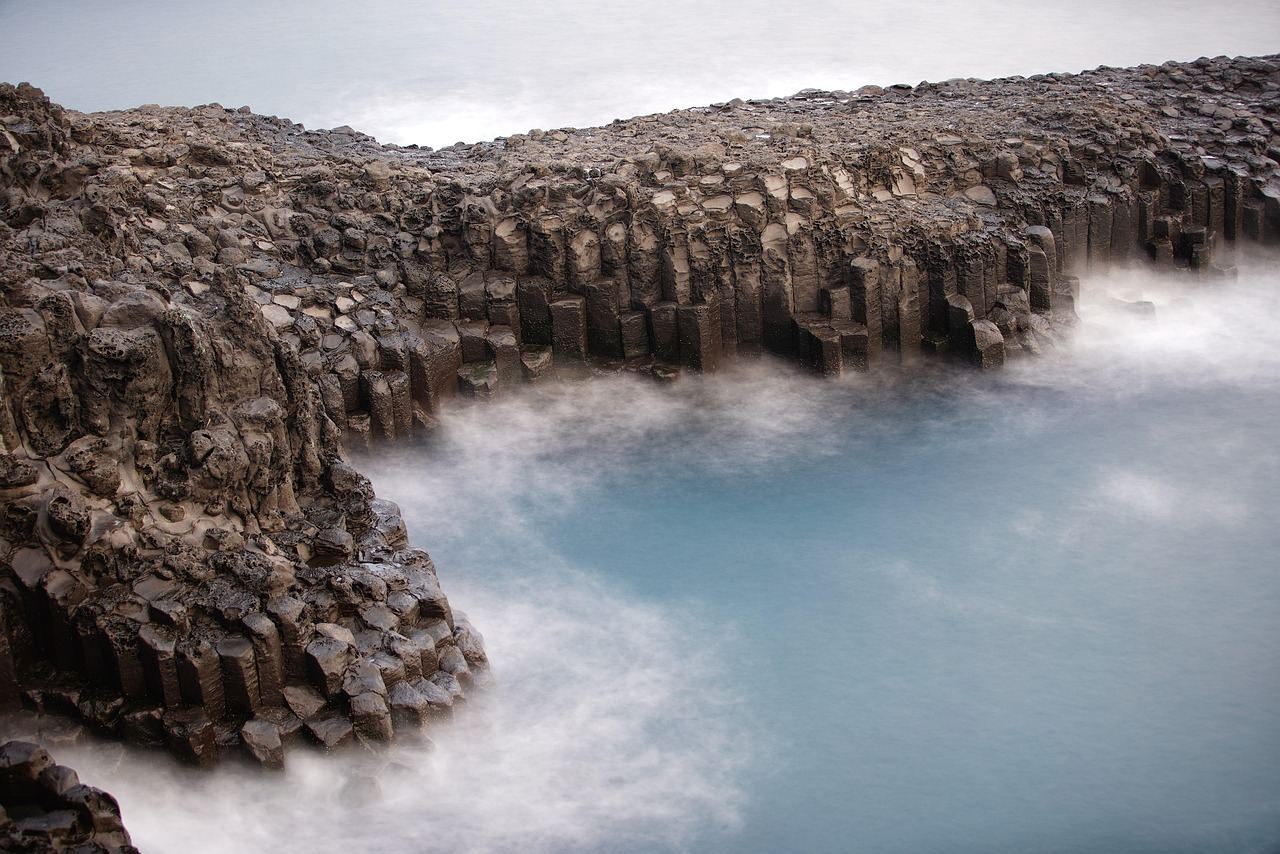
- South Coast tour: runs on Sundays, and covers the Mysterious Road, Jusangjeolli Hexagon Lava Cliff and Mt Halla hiking.
Those days come from one traveller’s account, so confirm the current timetable with the tour company before you plan around it. Breaking the island into areas, as these tours do, is a sensible way to handle a place too big to see in one day.
Whichever way you travel, you will probably pay for local buses with a card or cash. For a general look at Korean transit cards, read our guide on how to use t-money card before you go.
Where to stay if you skip the rental car
The blog suggests staying in Jeju City, which it puts at 10 minutes from the airport. From there you can reach bus connections and sit within the pick-up area for day tours.
The blog lists three examples at different price points. Prices were quoted as starting rates, so check live availability before you book.
- Hostel: Greenday Guesthouse offers free daily breakfast and is close to restaurants and supermarkets, from 16,000 won ($13).
- Budget hotel: Guest House Brick has air-conditioned rooms, free WiFi, a terrace and a shared kitchen, from 47,000 won ($39).
- Mid-range hotel: Hotel Leo doubles as a gallery and has sweeping views of Jeju City, from 77,000 won ($64).
These are neutral examples from one source, not recommendations. A base near restaurants and supermarkets makes life easier when you rely on buses.
Sights and bus routes worth knowing
The Adventure Korea post, dated March 12, 2020, lists bus routes from Jeju Airport to a range of sights. Route numbers and journey times can change, so treat them as a starting point and confirm them locally.
Hiking Mount Hallasan
The most popular activity at Hallasan is hiking. There are four trails: Gwaneumsa, Seongpanak, Eorimok and Yeongsil.
- Seongpanak Trail: from Jeju International Airport, take Bus #181 to the trail head.
- Eorimok Trail: take bus #240 from Jeju City to the trail head.
Check conditions and trail access locally before you set out, since mountain trails can change with the weather and the season.
Other sights from the same post
- Udo Island: off the eastern coast. Take Bus #111 or #112 from Jeju Airport to Seongsanpo Harbor (1 hour 10 minutes), then the ferry to Udo Port (20 minutes).
- O’Sulloc tea museum: opened in 2001 at the entrance of Seogwang Tea Garden. Take bus #151 from Jeju Airport (56 minutes).
- Cheonjeyeon Waterfall: take Bus #181 or #182 from Jeju Airport to Jungmun Post Office (49 minutes), then walk.
- Dongmun Market: described as one of Jeju’s largest and oldest permanent markets, with street, night, traditional and seafood sections in one place.
- Songaksan: a mountain with 99 small peaks and views of neighbouring islands.
Pair sights that sit on the same side of the island so you spend less time on buses. Udo suits an eastern day, while the tea museum and waterfall fit better with a west or south day.
Frequently asked questions
Do you need a car on Jeju?
Show answer
No, but it makes things easier. The Where Goes Rose blog calls Jeju difficult to get around without a car, yet it describes buses and day tours as workable alternatives. If you do hire a car, you will need an international driving license.
How long is the flight from Seoul to Jeju?
Show answer
The blog says flights from Gimpo International Airport take just over 1 hour. It also says flights take off every 15 minutes on this route.
Where is a good base if you are not driving?
Show answer
The blog suggests Jeju City, about 10 minutes from the airport, because it has bus connections and sits within the pick-up area for day tours.
Can you hike Mount Hallasan?
Show answer
Yes. Adventure Korea lists four trails: Gwaneumsa, Seongpanak, Eorimok and Yeongsil. The mountain stands 1,950m above sea level, so check local conditions before you go.
How do you reach Udo Island?
Show answer
Per the Adventure Korea post dated March 12, 2020, take Bus #111 or #112 from Jeju Airport to Seongsanpo Harbor, then a ferry of about 20 minutes to Udo Port. Confirm the current route before you travel.