Worried about offending someone in Seoul? Korean etiquette for tourists comes down to respect for elders, polite table manners and taking your shoes off in homes. Learn those habits and you will get by comfortably.
This page is part of our south korea travel guide, which gathers planning advice for the whole trip.
| Etiquette point | What to do |
|---|---|
| Greeting | Handshake and bow together; bow depth depends on seniority |
| Rice and soup bowls | Leave them on the table while eating |
| Chopsticks | Never stand them straight up in a bowl |
| Tipping | Not common practice |
| Shoes | Take them off when entering someone’s home |
| Gifts | A return gift or favor is usually expected |
These points come from the CISabroad orientation page on people and culture in South Korea. Customs and local practice can change, so check the source before you rely on them.
Why etiquette matters on a Korean trip
Korean citizens are generally kind and accepting of tourists, according to the CISabroad page. The same page adds that the culture is far more conservative than America’s, so following etiquette is crucial.
In practice, that means you will not be judged harshly for small mistakes, but a little effort goes a long way. Respect is the thread running through almost every custom below, and Koreans may take offense at behavior you would not blink at back home.
Here is what the rest of this page covers:
- How to greet people and show respect to elders
- Table manners, from bowls to chopsticks
- Tipping, shoes and visiting a home
- Gift giving and a quick checklist
Greetings and showing respect to elders
Showing respect to anyone older than you is important when visiting Korea. The CISabroad page says that treating your elders like equals is considered rude.
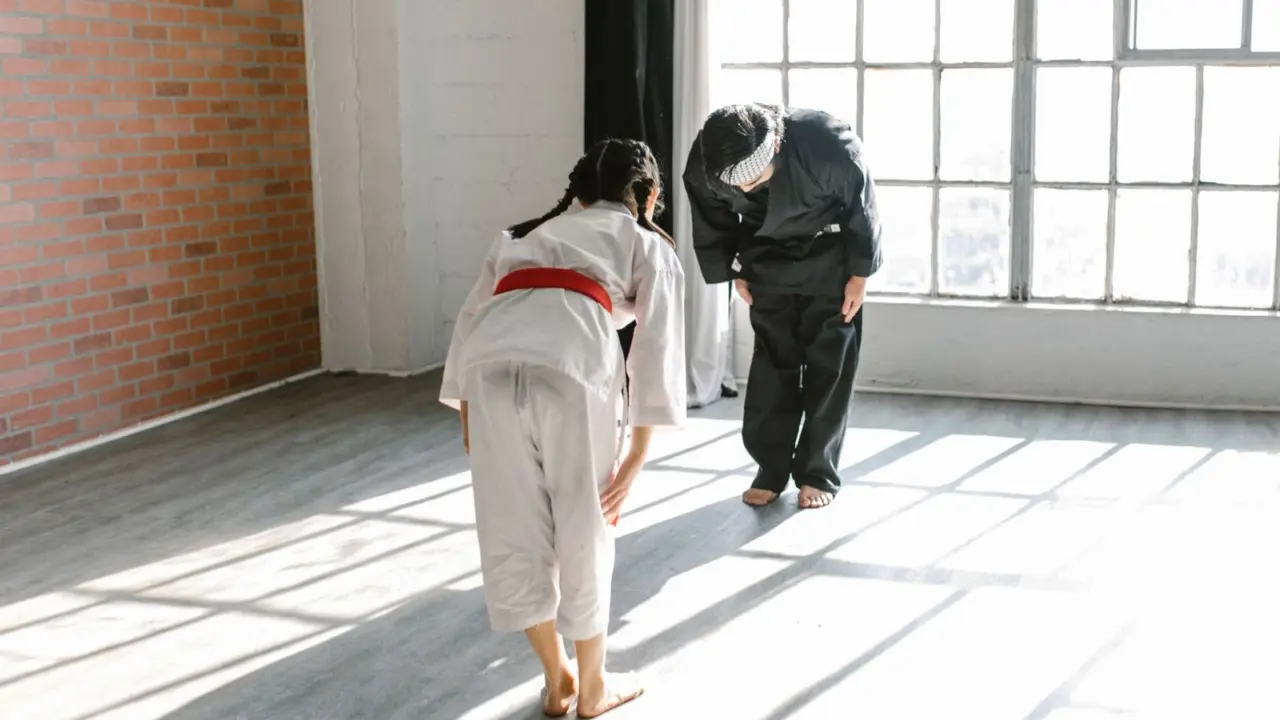
For greetings, Koreans shake hands and bow at the same time, and the depth of the bow depends on the relative seniority of the two people. A good rule of thumb is to bow a little more deeply to someone who is clearly older than you.
South Koreans usually shake hands when they meet for the first time. To show respect, people support their right forearm with their left hand while shaking. The bow is also a traditional greeting and is often accompanied by a handshake among men.
If you are unsure, a polite bow and a friendly smile are a safe start. You can copy what the other person does, and learning a few basic Korean greetings before you travel helps you feel less awkward.
Quick ways to show respect
- Greet older people first and with a slightly deeper bow.
- Use both hands, or support your right forearm, when shaking hands.
- Avoid treating older people in a casual, equal-to-equal way.
- Watch how locals act and follow their lead.
How should you behave at the table?
Korean mealtimes have a few clear rules. Do not hold your bowl of soup or rice; it is proper etiquette to leave bowls on the table while eating. The CISabroad page notes that this differs from China or Japan, where lifting your bowl while eating is acceptable.
Chopsticks have their own rule. Do not stick your chopsticks straight up in your bowl, because the page calls this disrespectful and a sign of bad luck. When you finish, place your utensils back on the table.
Finishing your food matters too. Not finishing your meal is considered impolite and wasteful, and the page says it is respectful to clean your plate. If you are unsure how much you can eat, order modestly rather than leaving food behind.
Thanking your host
If someone hosts you in their home or treats you to a meal out, it is customary to say thanks after the meal. The CISabroad page gives the phrase masegaemugusuyo, meaning “I ate well”. Even if your pronunciation is rough, the effort is usually appreciated.
Tipping, shoes and visiting homes
Tipping is simple, because there is little to do. The CISabroad page says tipping in Korea is not common practice, for restaurants and delivery people alike. In most hotels, tips are included in the bill.
If someone invites you home, take off your shoes when entering. There is usually a shelf or ample space for every guest’s shoes, so you will not need to hunt for a spot. Wear socks that you are happy to show.
Family is the most important part of Korean life, according to the same page, and family welfare is much more important than the individual. As a guest, you may notice that elders are served and consulted first. Following that lead is a gracious way to fit in.
Gift giving without awkwardness
Gift giving is an important part of Korean tradition. The CISabroad page says gifts might be given to cultivate a personal relationship, before conducting business, or to encourage aid from someone in a position above.
A return gift or favor is usually expected, so a small token from home is a thoughtful way to thank a host. Keep it modest and well wrapped rather than extravagant.
Koreans seldom open a gift in public. The recipient may put your gift aside without opening it, so as not to embarrass you at the smallness of the gift. If you want to see the reaction, you can politely ask them to open it, and they will.
A simple checklist for your first days
You do not need to memorize every custom. Keep this short checklist in mind and adjust as you go.
- Bow when you meet people, more deeply for older ones.
- Leave rice and soup bowls on the table.
- Keep chopsticks flat, never upright in a bowl, and rest utensils on the table when done.
- Clean your plate where you can, and thank your host after the meal.
- Skip the tip unless you have a specific reason to give one.
- Take your shoes off at the door of any home.
Once the manners are covered, the rest of the planning is logistics. If you plan to cross the country, the ktx train guide explains that side of your trip. For entry paperwork, our k-eta south korea page is the place to start.
Treat all of this as a starting point rather than a rulebook. Regions, generations and situations differ, and a warm, respectful attitude is what people notice most.
Frequently asked questions
Do I need to tip in South Korea?
Show answer
No. The CISabroad page says tipping is not common practice, for restaurants and delivery people alike, and in most hotels tips are included in the bill.
Should I bow or shake hands when meeting someone?
Show answer
Koreans shake hands and bow at the same time. The depth of the bow depends on the relative seniority of the two people, so bow more deeply to someone older.
Is it rude to leave food on my plate?
Show answer
It can be. The source says not finishing your meal is considered impolite and wasteful, and that cleaning your plate is respectful.
Can I lift my rice bowl to eat?
Show answer
No. Leave bowls of soup or rice on the table while eating. This differs from China or Japan, where lifting a bowl is acceptable.
What should I do when I enter a Korean home?
Show answer
Take off your shoes at the entrance. If you bring a gift, do not expect it to be opened in front of you, since Koreans seldom open gifts in public.