Torn over which month to book? The best time to visit South Korea is spring or autumn, especially April and November, when the weather is mild. Summer is hot and wet, and winter is cold but quiet.
For the wider picture beyond timing, see the south korea travel guide.
| Item | Value |
|---|---|
| Best seasons | Spring and autumn, especially April and November |
| Cherry blossom | Middle to end of April |
| Wettest months | July and August |
| Coldest months | January and February |
| Seoul in January | Average high 1°C (34°F), average low -9°C (16°F) |
| Seoul January rainfall | 21 mm |
These figures come from Treksplorer (page last updated in May 2026) and Rough Guides (updated in May 2025). Weather patterns and festival dates can change, so check the sources before you rely on them.
Spring: blossom, festivals and rising humidity
Spring is the season most guides name first. Rough Guides says it is generally regarded as the best time to visit, lasting from April to June, while Treksplorer dates it from mid-March to June. The sources differ by a few weeks, so treat the edges of the season as soft.
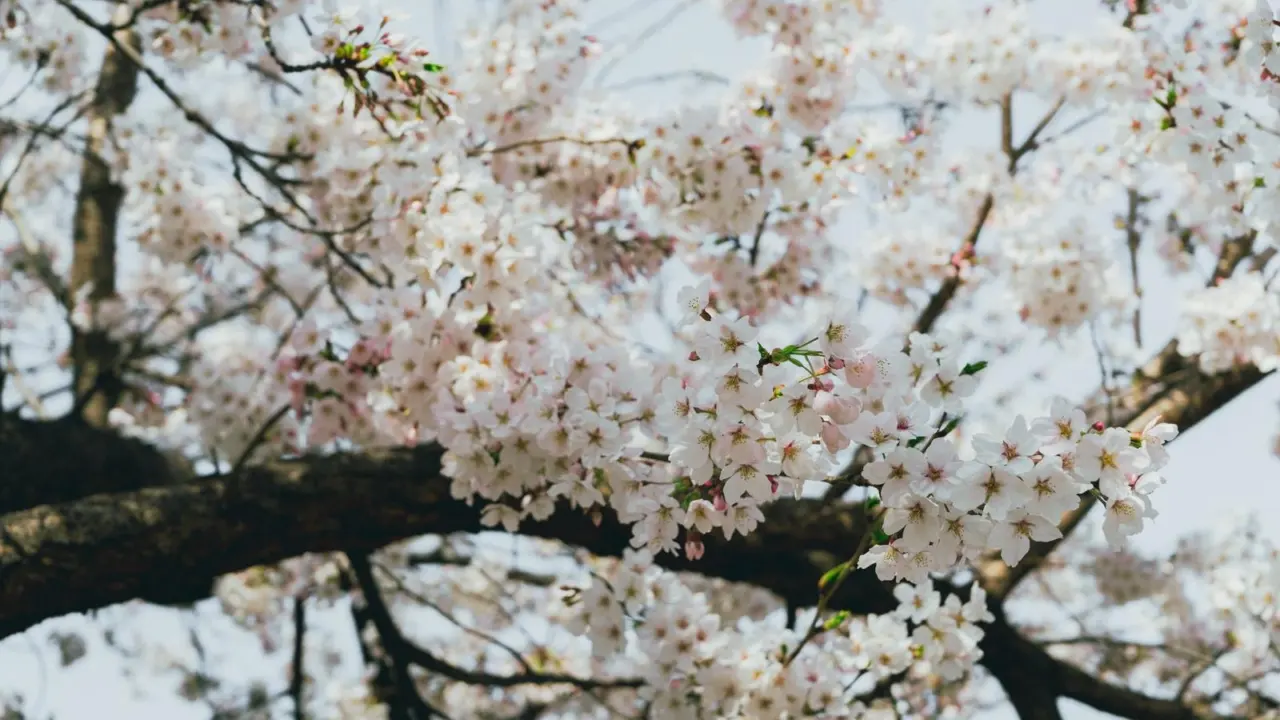
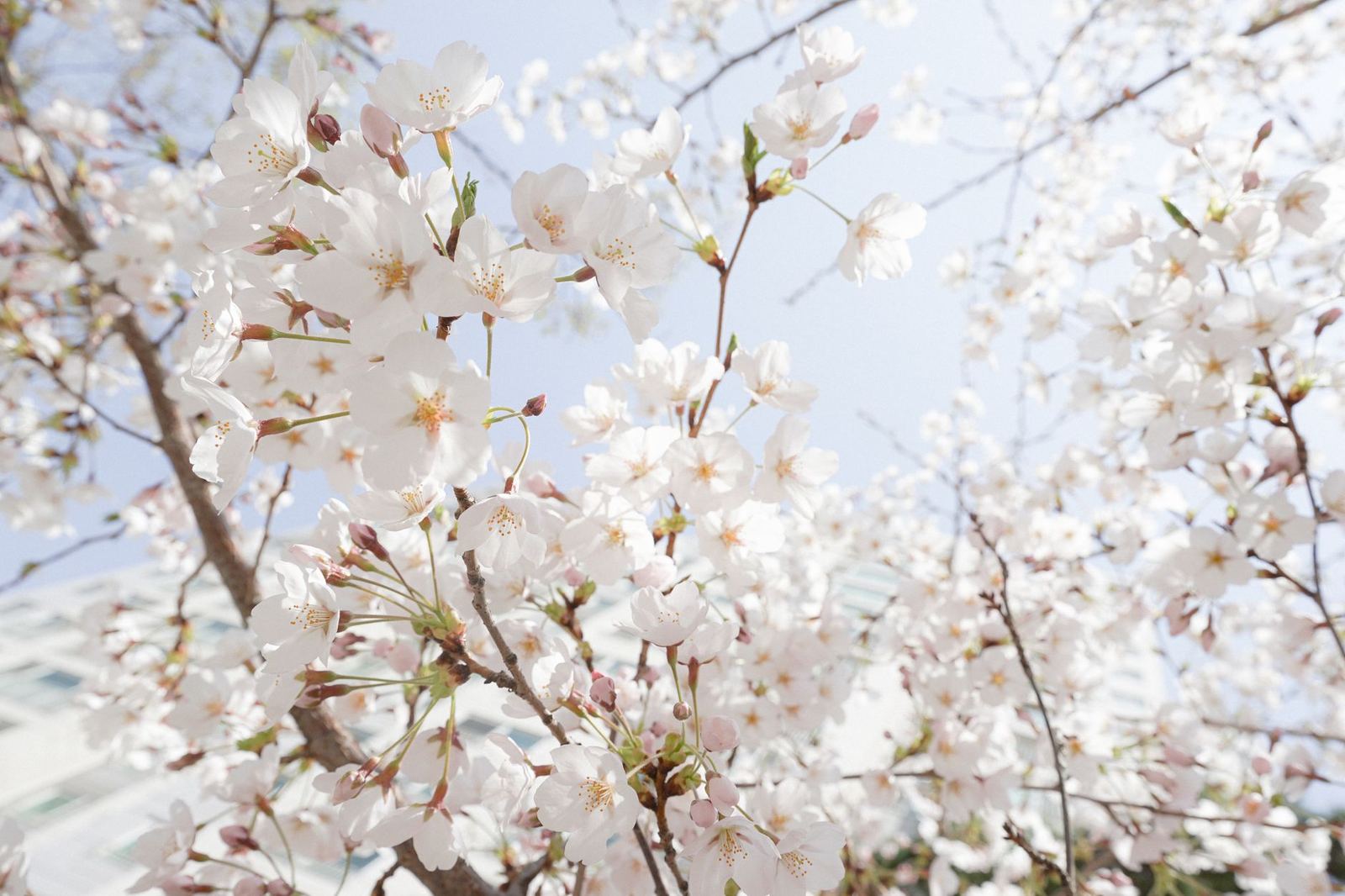
The blossom is brief, so timing matters. Cherry blossom sweeps from south to north in a short wave of pinkish white, and by April it is in full swing from Jeju Island to the streets of Seoul. Treksplorer places the middle to the end of April as the time it emerges throughout the country.
Here is how the season unfolds:
- March: the start of spring, with warming days and a buzz of anticipation.
- April: cherry blossom across the country, from Jeju Island to Seoul.
- May: arguably one of the most pleasant months, warm and dry, with plenty of open-air festivals.
- June: rising humidity and the first hints of monsoon season.
Spring is much drier than summer and milder than winter, but it can still feel cool. Treksplorer suggests a warm fleece or sweater as a base layer, an ultralight waterproof jacket on top, and waterproof hiking shoes if you plan to walk trails.
Summer: hot, sticky and wet
July and August are hot and sticky, and Treksplorer calls them the wettest months of the year because of the East Asian monsoon. Rough Guides adds that over half of Korea’s annual rainfall falls in this period. You may find yourself bouncing between air-conditioned cafes and convenience stores.
Typhoons are rare but possible, especially in late summer. Treksplorer notes that the storms that hit Japan, Taiwan and China each year often pass by South Korea.
Summer is also one of the busiest tourist periods, and Treksplorer’s author does not think it is an ideal time to travel. If you go anyway, pack lightweight, quick-dry clothes and keep a travel umbrella and light waterproof jacket handy for the downpours.
Autumn: the second sweet spot
Autumn runs from September to November. By September the rains ease, and Treksplorer found comfortable temperatures and lower rainfall than in the muggy summer months.
October is one of the best months to visit, according to Rough Guides: mild temperatures, dry skies and mountains cloaked in red, gold and amber. November stays relatively crisp and clear, but the chill creeps back in by the end of the month. Treksplorer still names November, together with April, as the best time to go.
Autumn is also good hiking weather. Treksplorer recommends extra layers, a rain jacket or softshell, and sturdy hiking shoes for the trails.
Winter: cold, dry and quiet
Winter runs from December to mid-March, according to Treksplorer. January and February are the coldest months, especially in the north, and snowfall is not rare. Temperatures often dip well below freezing.
In Seoul, Treksplorer’s January figures show an average high of 1°C (34°F), an average low of -9°C (16°F) and 21 mm of rainfall. January is also one of the driest months of the year.
The cold comes with real upsides:
- Public transport runs smoothly, and ondol floor heating keeps homes toasty.
- Crowds are smaller, and Treksplorer’s author often found cheaper flights and accommodation.
- The winter sports season ramps up in January, with ski resorts and mountain temples to visit.
- Jeju Island hosts the Hallasan Snowflake Festival in January.
December brings the return of deep winter. In Seoul and inland areas the cold can be biting, but skies are often clear and festive markets start popping up. Dress in layers, and Treksplorer says lined waterproof boots are a must in snowy conditions.
Best time to visit South Korea for your kind of trip
The best time depends on the kind of trip you want, and the two main sources do not crown a single winner. Rough Guides leans towards spring, while Treksplorer puts spring and autumn together and singles out April and November. Use this quick matcher to pick the season that fits your priorities:
- Blossom and festivals: mid-to-late April and May.
- Autumn colour and hiking: October, with November as a crisper alternative.
- Skiing and fewer crowds: January and February, if you can handle the cold.
- Avoiding heat and rain: skip July and August.
Treksplorer’s case for the shoulder seasons is simple: they help you avoid the busy, hot and humid summer and the chilly winter weather. Both bring comfortable, mild to warm temperatures and relatively dry conditions, with cherry blossom in spring and a blaze of crimson and orange fall foliage in autumn.
Every choice has a trade-off. Treksplorer says the April blossom catches Korea at its most beautiful, though its author admits it is a tad busier than he normally prefers. Winter is the opposite: colder, but quieter, and Rough Guides notes that the landscape of powdery snow, pine forests and pale yellow grass can be beautifully stark.
If you cannot decide, remember that Rough Guides considers the country worth visiting in any month of the year, as long as you plan for the weather you will meet. That flexibility helps if work leave or flight prices fix your dates, because the right clothing and a realistic plan matter more than a perfect month.
Once your month is set, the south korea itinerary 7 days page is the place to turn that choice into a day-by-day plan. It is also worth reading about k-eta south korea early, so entry paperwork does not catch you out after you book flights.
Frequently asked questions
What is the best month to visit South Korea?
Show answer
Treksplorer names April and November as the best months, within the spring and autumn seasons. Rough Guides also singles out October as one of the best months to visit.
When is cherry blossom season?
Show answer
Treksplorer says cherry blossom emerges from the middle to the end of April. Rough Guides describes the bloom as a brief wave that moves from south to north.
Is summer a bad time to go?
Show answer
It is not a no-go, but it is hot, humid and wet. July and August are the wettest months, and typhoons are rare but possible in late summer.
Is winter worth visiting?
Show answer
Yes, if you are ready for the cold. Winter brings smaller crowds, a ski season that ramps up in January and often clear skies, and public transport keeps running smoothly.
Can you visit South Korea all year?
Show answer
Rough Guides says the country is worth visiting any month of the year, so long as you know what you are in for. Treksplorer likewise calls it a year-round destination.